Check if You Bought From CryptoBilis: Ledger Links Unauthorized Implants to Massive Heist
Hardware wallet maker Ledger verifies unauthorized implants in devices sold by CryptoBilis, linking them to major fund losses.
Key points
- Ledger confirms an unauthorized hardware implant was found in one affected device sold by reseller CryptoBilis.
- All confirmed theft cases from the October 9 incident involve wallets purchased through this Southeast Asian distributor.
- Blockchain investigators estimate losses exceeding $86 million, though Ledger has not confirmed a final total.
Ledger has verified the presence of an unauthorized hardware implant inside a cryptocurrency wallet linked to recent fund thefts. The company stated that every confirmed case from the October 9 draining incident involved devices sold by CryptoBilis, a reseller operating in Southeast Asia. This finding brings physical tampering into the investigation of devices sold through this channel, raising supply chain security concerns for users in the region.
In plain English
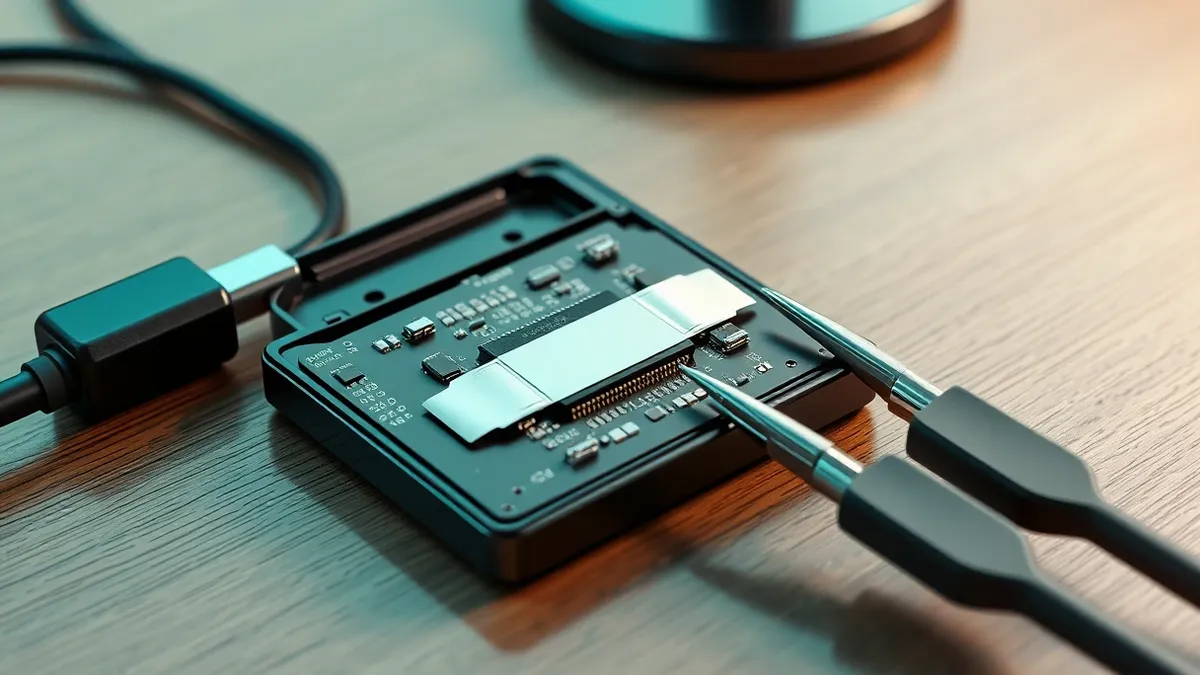
Hardware wallets are designed to keep private keys offline, protecting them from malware on connected computers. However, a physical implant introduces a different risk by adding components that could target information displayed during setup. Security researchers have observed suspected implants that monitor the wallet screen and transmit the recovery phrase via a cellular connection. These components reportedly include a microcontroller, an antenna, an LTE chip, and an eSIM.
View the original post on X
View the original post on X
Capturing the recovery phrase during setup allows an attacker to restore the wallet and control funds without needing continued access to the original device. This method targets the initial configuration phase rather than attacking the wallet’s core security system directly. The implant creates a risk because an added component could intercept sensitive data during setup, potentially compromising the wallet before the user realizes the device has been tampered with.
The background
The investigation began after customers reported missing cryptocurrency from wallets associated with devices purchased through CryptoBilis. This reseller serves markets in Indonesia, Malaysia, and the Philippines. Blockchain investigator Specter estimated possible losses above $86 million across Bitcoin, Ethereum, and Tron networks. That figure has not been independently confirmed, and Ledger has not established a final loss total or confirmed that the implant caused every reported theft.
Ledger Support issued a statement on October 10 confirming the implant in one impacted user’s device. By October 11, the company noted that all confirmed cases connected to the draining incident involved CryptoBilis sales. Ledger described the number of affected devices as limited and stated its own systems and direct sales channels remained unaffected. The company is working with relevant authorities while CryptoBilis has stopped selling all hardware wallets during the ongoing investigation.
What changes now
Ledger is contacting affected customers regarding the breach. The company has clarified that its direct sales channels were not involved in the distribution of tampered devices. This distinction is critical for users who purchased directly from Ledger, as those devices are not currently linked to the confirmed implant findings. The incident highlights the risks associated with third-party resellers who may not adhere to strict supply chain security protocols.
Security concerns now extend to the physical integrity of hardware devices before they reach the end user. While Ledger maintains its direct operations are secure, the breach through CryptoBilis demonstrates how supply chain intermediaries can introduce physical vulnerabilities. Organizations and individual users must now verify the provenance of their hardware security modules, ensuring they are sourced from trusted, direct channels to mitigate similar risks in the future.
What to do and how to stay safe: Ledger
- Verify if your hardware wallet was purchased through CryptoBilis or any unauthorized third-party reseller in Southeast Asia.
- Check for physical anomalies on your device, such as unexpected circuit boards or components not present in standard models.
- Monitor your wallet balances for unauthorized transactions, especially those occurring shortly after initial setup.
- Once the vendor provides an update, follow their specific guidance for verifying device integrity and securing your assets.
General security guidance from the Vector Update newsroom. It is not confirmed advice from the organisations named in this story.
Frequently asked questions
Did Ledger confirm that all stolen funds were taken via the hardware implant?
No, Ledger has not confirmed how the implant worked or whether it caused every reported theft, only that one device contained it.
Are wallets bought directly from Ledger affected by this incident?
Ledger stated that its own systems and direct sales channels remained unaffected by the CryptoBilis-related incidents.
How much money has been lost in this breach?
Blockchain investigator Specter estimated losses above $86 million, but this figure has not been independently confirmed by Ledger.