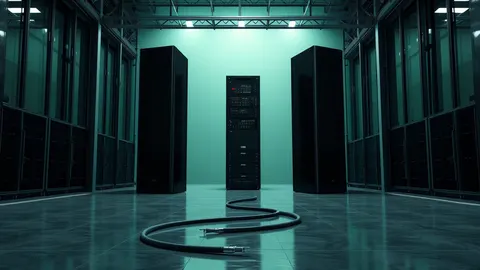
Germany scraps mandatory data center heat reuse to boost AI growth
Berlin amended its energy laws in June to remove the obligation for new data centers to recycle waste heat into local heating networks.
Key points
- Germany plans to double data centers and quadruple AI compute by 2030.
- The 2023 Energy Efficiency Act required waste heat recycling for new facilities.
- The government amended the law in June to make heat reuse optional, not mandatory.
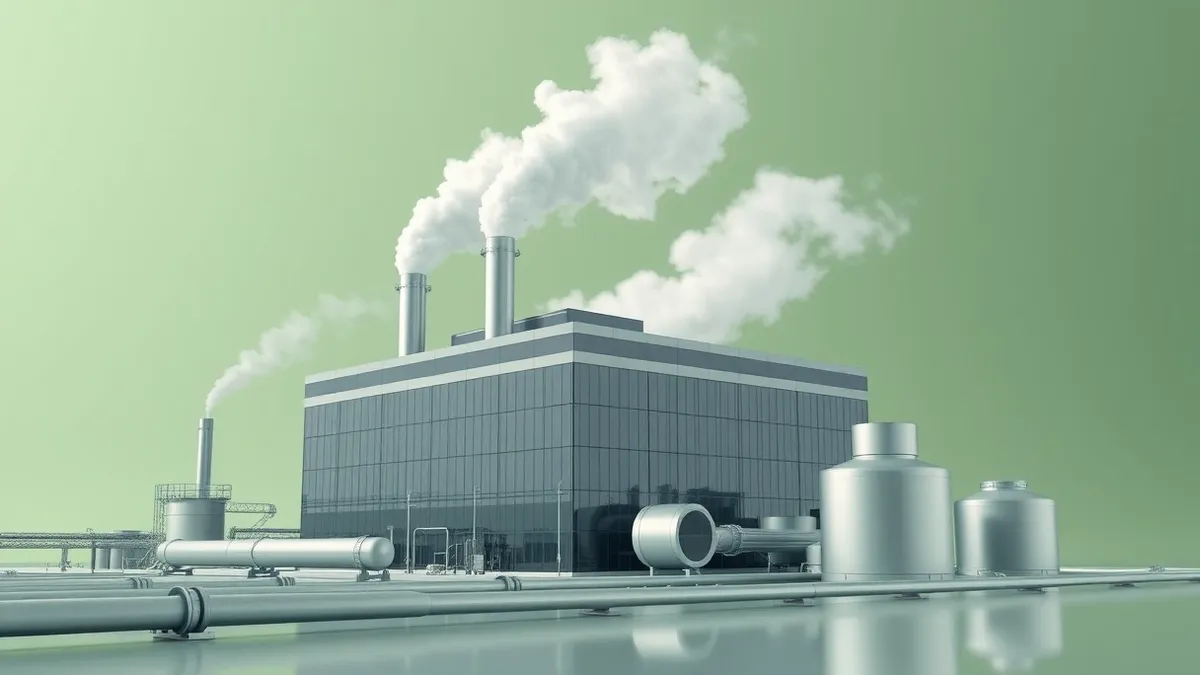
Germany changed its rules on data center waste heat in June to encourage more artificial intelligence infrastructure construction within the country. The government decided that mandatory heat recycling requirements were hindering the rapid expansion of its data center fleet. This decision reflects a broader tension across Europe between building energy-intensive tech infrastructure and meeting strict climate change reduction targets.
In plain English
Data centers generate massive amounts of heat while running servers and cooling equipment. Previously, German law required new facilities to capture this thermal energy and pipe it into nearby municipal heating systems for homes. The new amendment removes this obligation. Operators now only need to investigate whether waste heat reuse is possible, rather than being forced to implement it.
The background
The German government set a goal earlier this year to double the country’s data center capacity by 2030. It also aims to quadruple the computing power available for AI models. This strategy intends to reduce reliance on United States technology providers and stimulate the domestic economy. However, these ambitions clash with the European Union’s commitment to cut greenhouse gas emissions by fifty-five percent by the end of the decade.
What changes now
The previous administration passed the Energy Efficiency Act in 2023, which mandated waste heat recycling. Industry groups complained that the rules made building new centers nearly impossible. In June, one month before the rules took effect, the federal government walked them back. The amended bill will soon go to parliament for ratification. It shifts the requirement from mandatory implementation to merely scoping out possibilities.
Key terms explained
Waste heat recovery captures thermal energy from industrial processes for secondary use, improving overall energy efficiency. Municipal heating systems distribute hot water or steam from a central source to multiple buildings. Regulatory amendments modify existing laws to change compliance requirements. Teams usually assess heat output potential early in site planning to determine feasibility. Check whether local infrastructure can accept thermal loads before committing to recovery designs.
What to do and how to stay safe: Germany
- Review local zoning and energy regulations for any new amendments regarding thermal output or cooling requirements for data facilities.
- Audit existing infrastructure plans to see if mandatory heat recovery clauses have been replaced with voluntary assessment guidelines.
- Monitor government updates on energy efficiency acts, as changes in compliance scope can impact construction timelines and budgeting significantly.
- Engage with local municipal authorities early to understand their capacity and willingness to integrate waste heat into district heating networks.
Step-by-step guide: Stop AI Chatbots Leaking Sensitive Business Data
General security guidance from the Vector Update newsroom. It is not confirmed advice from the organisations named in this story.
Frequently asked questions
Why did Germany change its data center heat rules?
The government amended the rules because industry groups said mandatory heat recycling made it too difficult to build new data centers in the country.
What was the original requirement under the 2023 Energy Efficiency Act?
The act required all new data centers to recycle a portion of their waste heat, ideally into nearby municipal heating systems for homes.
Does the new law still require data centers to use waste heat?
No, the amended bill means operators are no longer obligated to reuse waste heat, but only to investigate the possibility of doing so.