Swiss robotics startup Enact Intelligence secures $30 million pre-seed funding
Enact Intelligence raised $30 million from top AI researchers to build versatile robot models and sensor-equipped actuators.
Key points
- Enact Intelligence raised $30 million in pre-seed funding.
- Investors include Yann LeCun, Mistral AI CEO Arthur Mensch, and Hugging Face co-founder Thomas Wolf.
- The company is developing AI models that work across multiple robot designs, not just specific form factors.
Swiss robotics startup Enact Intelligence announced it has secured $30 million in pre-seed funding to develop artificial intelligence models and physical robot components. The capital comes from a group of prominent industry figures and venture firms, signaling strong early interest in the company’s approach to robotics. According to SiliconANGLE, the funding round was led by a consortium that includes well-known AI researchers and executives.
In plain English
Enact aims to solve a common problem in robotics: most AI models are built for one specific type of robot. A model designed for a humanoid machine usually cannot control a standalone robotic arm. Enact’s algorithms are designed to be flexible, supporting a wide variety of robot designs. This approach allows the software to adapt to different hardware without needing complete retraining for each new device.
The background
The company, officially named Eta Robotics AG, was launched earlier this year by CEO Manuel Yves Galliker. Galliker previously held engineering roles at robotics startups Physical Intelligence Inc. and 1X Technologies AS. The Enact team also includes former employees from major tech companies such as Google DeepMind and Amazon.com Inc. This background gives the startup experience in both AI development and large-scale technology operations.
What changes now
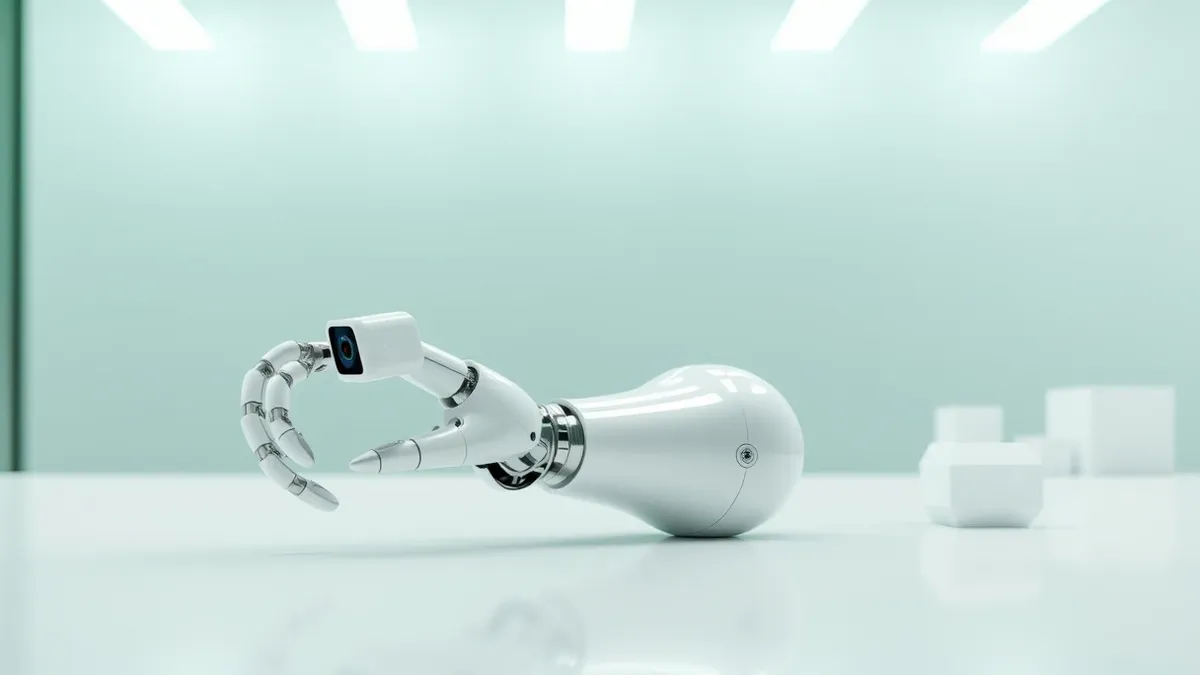
Enact is not just building software; it is also creating physical robot parts, specifically actuators. These mechanical subsystems act as the robot’s muscles, combining electric motors with control chips. Unlike standard actuators, Enact’s components also function as sensors that can detect force and touch. This allows the robot to measure pressure when handling objects, improving its ability to interact with the physical world safely and precisely.
Key terms explained
Actuators are mechanical parts that enable movement in robots, often compared to muscles. In this context, they combine motors with sensors to detect physical feedback like pressure. Pre-training refers to the initial process of developing AI models from scratch using large datasets, rather than customizing existing open-source models. Teams usually evaluate whether building models from scratch offers better performance for specific hardware. Check whether your systems rely on specialized hardware that requires unique software configurations.
What to do and how to stay safe: Enact Intelligence
- Monitor job postings from emerging robotics firms to track hiring trends in AI research and hardware development.
- Evaluate whether your current robotics solutions use flexible AI models or are locked into specific hardware form factors.
- Review vendor documentation to understand if actuators in your equipment include integrated sensing capabilities for force and touch.
- Stay informed about new funding rounds in the robotics sector to identify potential partners or competitors with innovative approaches.
General security guidance from the Vector Update newsroom. It is not confirmed advice from the organisations named in this story.
Frequently asked questions
Who invested in Enact Intelligence?
Investors include Yann LeCun, Mistral AI CEO Arthur Mensch, Hugging Face co-founder Thomas Wolf, and several venture capital firms.
What makes Enact’s AI models different?
Enact’s algorithms are designed to support a wide range of robot designs, unlike historical models tailored to specific form factors.
How do Enact’s actuators work?
Enact’s actuators combine electric motors with control chips and function as sensors that can detect force and touch.