Review 3D print policies after Cody Wilson’s GatGPT releases flawed WASP gun designs
Cody Wilson released an AI tool called GatGPT that generates firearm designs, prompting a need for organizations to audit their printing and digital safety policies.
Key points
- Cody Wilson launched GatGPT, a platform that uses AI to generate 3D-printable gun designs.
- The first output, named WASP, has structural flaws like an exposed trigger and inverted grip.
- Wilson previously founded Defense Distributed, known for publishing 3D firearm blueprints.
Cody Wilson has released a new artificial intelligence tool that creates designs for guns that can be printed in three dimensions. This development requires system administrators and facility managers to review their policies regarding 3D printing and digital file handling. The tool, called GatGPT, represents a shift from manual blueprint creation to automated generation of firearm schematics.
In plain English
Generative AI models are software systems trained to create new content based on patterns they have learned. In this case, the model has been trained to produce geometric data suitable for 3D printers. Instead of an engineer drawing each part, the AI outputs a file that a printer can interpret. This lowers the barrier to creating complex mechanical objects, including weapons, because the design process is automated.
The background
Wilson previously gained attention for Defense Distributed, a Texas-based non-profit that published blueprints for 3D-printed firearms in the mid-2010s. According to Gizmodo, the organization’s mission is to maximize gun ownership. Wilson resigned from the group in 2019 after pleading guilty to injury to a child. He later pursued ventures in cryptocurrency and right-wing funding platforms before returning to firearm design with this new AI initiative.
What changes now
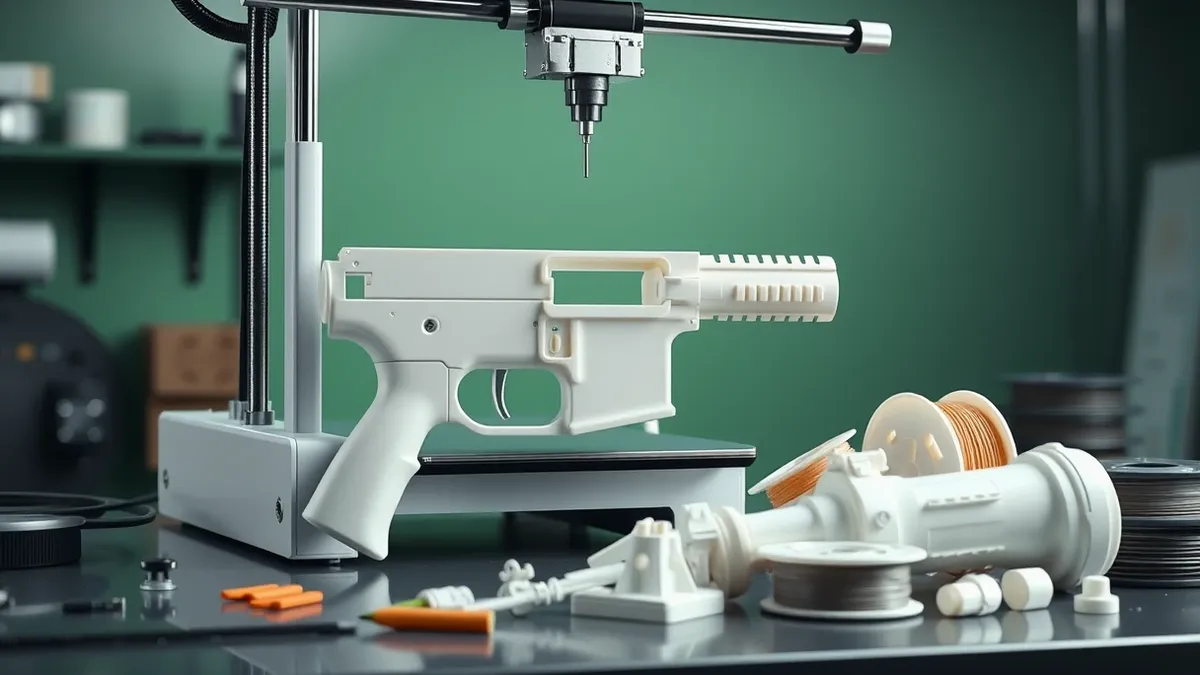
The new platform produces a gun design called WASP, which is the first creation from GatGPT. According to The Verge, the design appears structurally unsound. A firearms historian noted that the AI left the trigger guard unfinished, exposing the trigger without reason. The grip on the weapon also appears inverted. These errors suggest the current output may not function reliably, but the ability to generate such designs at scale remains a concern for policy makers.
Key terms explained
When new generation tools emerge, teams usually review their acceptable use policies to ensure they align with legal and safety standards. Check whether your organization’s 3D printing guidelines explicitly prohibit the creation of weapon components or unauthorized mechanical parts. Verify that file screening processes can detect suspicious geometric data or unauthorized design files. Ensure that staff understand the risks of using unvetted AI outputs for physical manufacturing tasks.
What to do and how to stay safe: Cody Wilson
- Review and update 3D printing policies to explicitly prohibit the creation of firearm components or weapon-like objects on company equipment.
- Implement file screening or content filtering tools that can block known weapon design files or suspicious geometric data from being printed.
- Monitor network traffic for access to new AI generation platforms that may produce hazardous physical outputs or unauthorized schematics.
- Once the vendor provides an update or additional context, re-evaluate the technical capabilities and potential risks of the tool.
Step-by-step guide: Stop AI Chatbots Leaking Sensitive Business Data
General security guidance from the Vector Update newsroom. It is not confirmed advice from the organisations named in this story.
Frequently asked questions
What is the name of the AI tool Cody Wilson launched?
The tool is called GatGPT, and it is designed to generate firearm designs for 3D printing.
What is the name of the first gun design produced by this tool?
The first design created by the platform is called the WASP.
Is the WASP design functional according to experts?
No, experts note it has flaws like an exposed trigger and an inverted grip, making it appear structurally unsound.